
Heroes are and always will be the ideological representation of the best that a society hopes to be at a given time, and while, yes, this is useful and good, knowing what a society values is only so useful. Fictional heroes are only capable of, at the very most showing a shallow, one-sided, view of the people their stories are for. In order to complete the full story, the hero must have the opposing half, the yin to the yang, the “bad” to go with the good.
I’m going to be completely honest, I would not have written this if it was not something I was told to do. I was told to write about heroes and literature and immediately I knew that was not what I was going to do. There are fifty or so other people who are all going to be writing about heroes in literature so I knew I would have to do something different. Immediately, I thought about writing about villains because they are quite literally the most opposite from heroes. At first I had no idea how or what to write about, but as I thought more I realized that in looking back on the main villains from some of my favorite TV shows, I had subconsciously admired their abilities to plan for everything and to have foresight in their plans. So, I decided that I would write about this and explain further the abilities I saw in these typical bad guys.
Each individual (the ones in real life mainly, but I suppose the ones in stories as well) possesses, to some degree, both the traits of your stereotypical heroes as well as many of the basics of the traits of the villains.
This is a extremely important concept because it is this very idea that can be used to explain why stories throughout history are the way they are, and potentially their future. Let us think for a second what a hero’s purpose in a story is. A hero is essentially meant to show the best a person can be. They are a source of inspiration and a chance to drive the audience of their stories to be better and do better in their everyday lives. On the contrary, the people who seem to be on the wrong side of the story are often a cautionary statement against what a person of society could become should they disregard their morals, lose their mind, or embrace their “darker” tendencies. However, it should be stated that the lesson learned by studying the bad ones of stories is just as important if more important to the overall lesson that can be taken away from a story. While yes, the story of the hero tells the reader how to do the best given the best, the story of the villain can inform the reader of how to accomplish something given traits that many would believe to be weaknesses or bad.
One of the best examples of accomplishment as a villain is the Riddler from the Batman comics. Edward Nygma, The Riddler as he is more commonly know, is, in his most recent portairal in the mainstream media, a genius CSI tech who becomes evil following a mental breakdown that corrupts his person. Though he is someone who commits crimes, is always plotting, and can sometimes be considered a coward, Edward Nygma is incredibly intelligent and using his gained confidence from a success in a life of crime, is capable of creating incredibly complex plans and ideas as well as execute them pristinely. As time passes, the confidence that Mr. Nygma possesses increases and thus increase his ability to plan greater schemes indirectly. Additionally, much of his success can be attributed to his ability to plan everything far in advance and have the foresight to be able to precisely plan for what will happen.
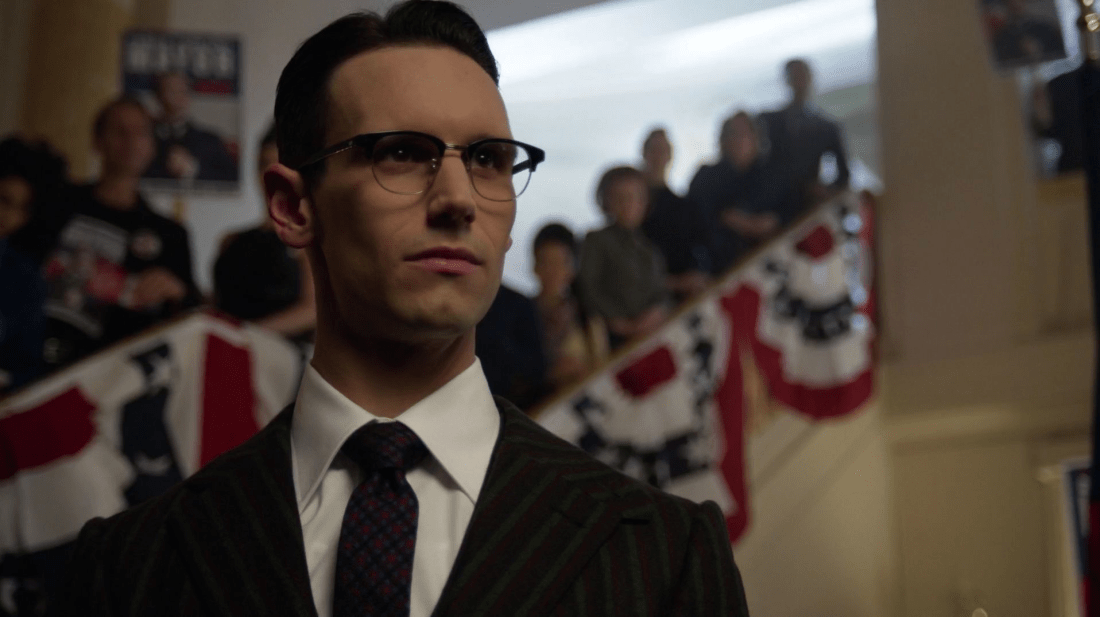
This kind of ability is one that should not be tossed in the bin, but rather explored to teach those who may be holding themselves back from attempting a extreme idea they had because of fear of failure. I am not, under any circumstances saying that a person should commit the same ruthless acts that this “villain” did but rather saying that at least some should learn from his ability to know what will happen and plan something with such precision and detail that it is executed near perfectly. This skill is highly applicable to anyone who works with projects that involve multiple parts and variables, which, last time I checked, is an aspect of life that almost everyone has to deal with.
Similarly, some of the traits of heroes should not be necessarily looked up to. Across a wide variety of stories, heroes often have a recklessness about them, leaving destruction behind in their wake and often bringing harm or damage to people and their surroundings. It is all too easy for people, especially children, to end up adapting this trait to some degree when they try to be like the heroes they see and learn about in literature. Unlike the heroes who can escape the aftermath of their actions and the harm that it may bring, people of everyday life cannot. The literary hero would undoubtedly face a myriad of consequences for their actions whether that be by means of legal repercussions, fallout with family/friends, and/or death of those tangled up in the conflict.
Contrary to this, villains of the modern day are often the most calculating and know who and what they will impact and effect through their actions, and while they use it to know exactly who will be hurt and what carnage will ensue. This idea of taking care to know what every outcome of your actions will be is crucial in today’s society. A prime example of this is the character, Ozymandias from the comic series and movie of the same title, Watchmen. In the story Ozymandias is the alter ego of Adrian Alexander Veidt, who is a genius CEO by day and initially a hero by night. Though he eventually plans some “evil” actions, he does so in the most calculating manner, knowing who certain actions will impact and how. Through his actions, he is able to manipulate not only the other heroes of the story but also the rest of the global population.
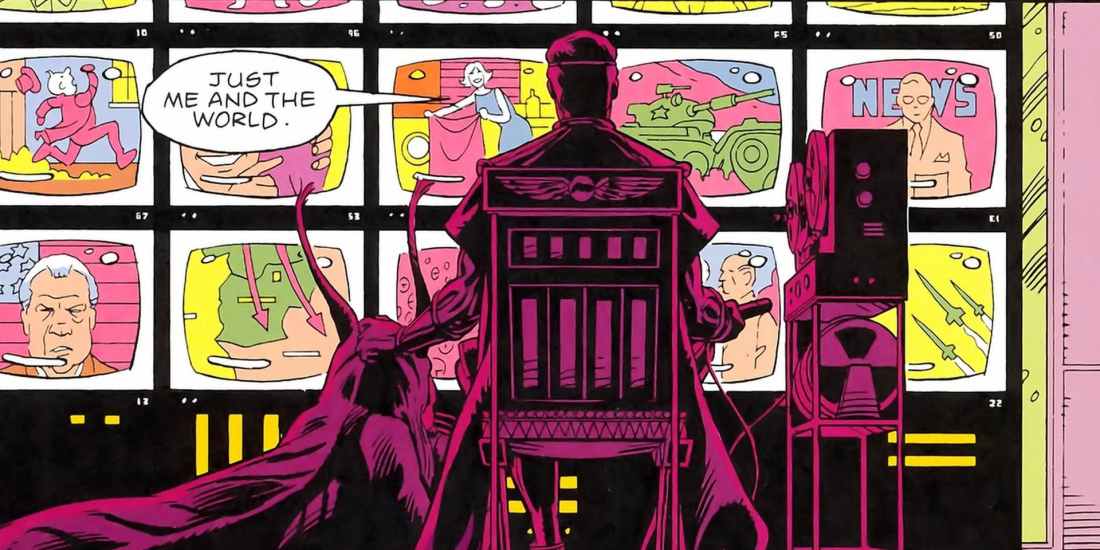
Given the tense nature of American society today it is extremely important to think about the way in which any action you take might be understood by the people who receive it. In addition, anything anyone says or does today is usually over social media, meaning that it can come back around to cause conflict. This makes the importance of understanding of exactly who your comments and actions will affect as well as understanding the way in which they will affect them.
While villains certainly fall on the darker side of literary stories, heroes certainly aren’t completely golden either. Though heroes tend to possess more of the traits that people want to have, it is important to look at the traits of villains as well, because while they often use them for the worse, with the right application they could be a great benefit to everyday life. With as often as protagonists and antagonists show up in day to day, it is important to find every aspect of their characters and examine their actions and processes to find the ways in which their combined set of traits could be used to create the best possible outcome in one’s own life. Just as in the classic Yin and Yang symbol, it is important to not only see what on the surface but to also look inside to find the good in the bad and the bad in the good.

 Philosophic overthinking